
Nautilus Hearing — audiology clinic
Audiology service

Cochlear Implant Services

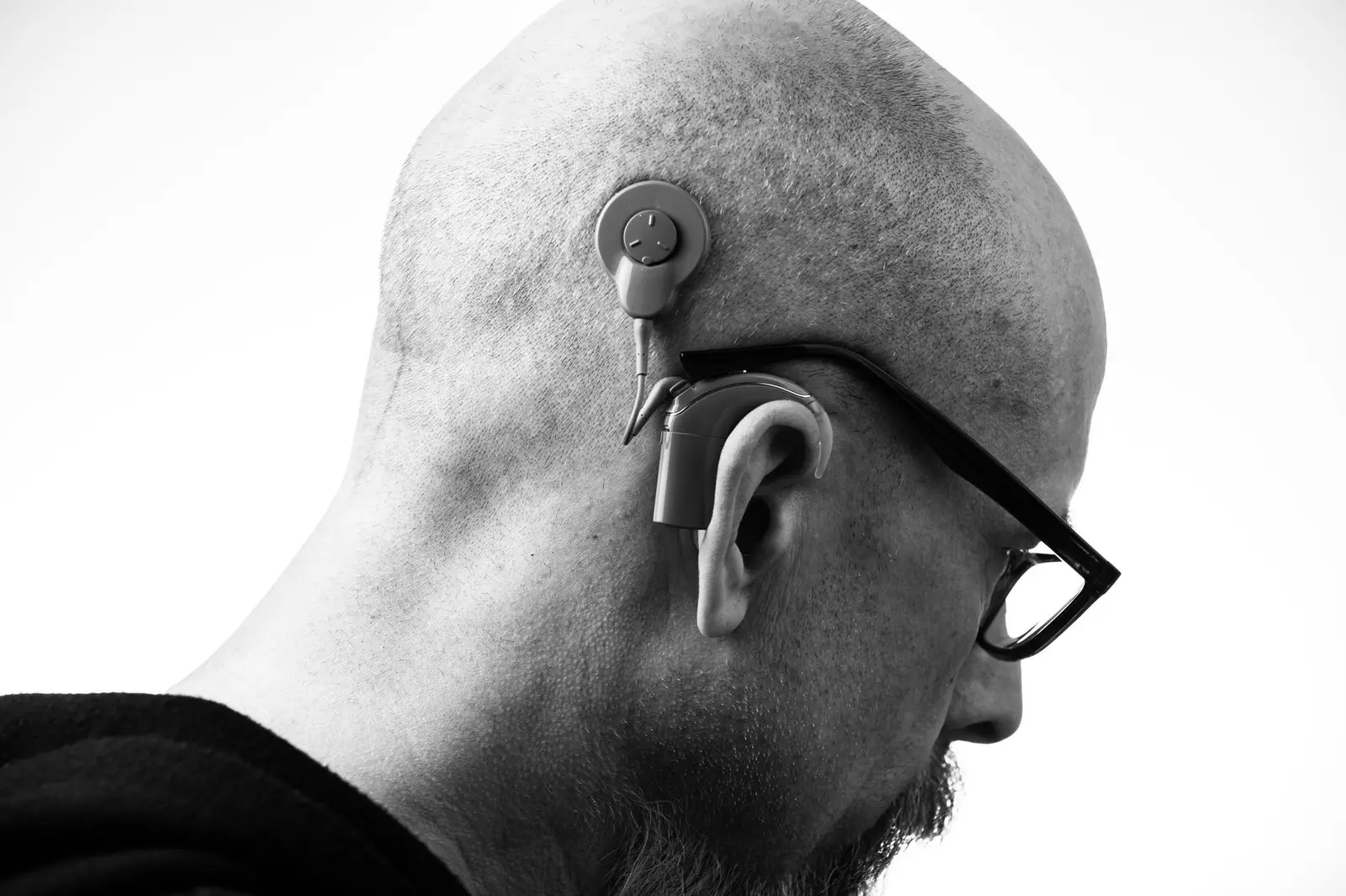
A cochlear implant is an option when hearing aids no longer provide enough benefit. Rather than amplifying sound, an implant stimulates the hearing nerve directly. It involves surgery, and it involves a substantial period of learning afterwards.

How this care works

Clear answers before any decision.

01

Who tends to be a candidate

Candidacy is assessed, not assumed. It generally involves significant hearing loss in both ears together with limited benefit from well-fitted hearing aids — which is why a properly verified hearing aid trial usually comes first.

Candidacy criteria are set by the implant programs and by insurers, and they have broadened over the years. If hearing aids are no longer getting you there, it is a reasonable question to ask.

02

Programming and follow-up

After surgery the external processor is programmed, and it is reprogrammed repeatedly as your hearing nerve responds and you adapt. This is ongoing care rather than a single appointment.

Results vary genuinely between people. Anyone who promises you a specific outcome is overstating what is known.

03

What this practice does, and what it does not

Cochlear implantation is a surgical procedure, carried out by a surgeon at a medical center. That part does not happen here, and any page that blurs the line is doing you a disservice.

What happens here is the audiology either side of the operation: assessing whether an implant is worth investigating in the first place, and the programming afterwards that determines how well it actually works for you. The second part is the larger commitment by some distance.

04

Mapping, and why it keeps going

An implant does not arrive tuned. Each electrode has to be set to a level that is audible but comfortable, and those levels move — quickly in the first months, then more slowly. That adjustment is called mapping, and it is the reason implant care is a relationship rather than an appointment.

Early on, mapping is frequent. It settles over time, but it does not stop: hearing changes, expectations change, and the map that suited you at three months is rarely the one that suits you at three years.

05

Who an implant is considered for

Implants are for severe to profound sensorineural hearing loss where hearing aids, properly fitted and properly verified, no longer deliver enough benefit. The distinction that matters is not how bad the audiogram looks but how much you understand — someone with a dramatic loss who still follows speech well with hearing aids is often better served by continuing with them.

Criteria have broadened considerably. Single-sided deafness and asymmetric loss are now recognized indications in a way they were not a decade ago, and the thresholds for who qualifies have moved more than once. Someone told they were not a candidate several years ago may simply have been assessed against an older standard.

It is also not a last resort to be delayed. Outcomes are generally better when the ear has not been without meaningful input for a long stretch, so an assessment is worth having while the question is still open rather than once it is obviously overdue.

06

What the assessment involves

Candidacy is not decided on an audiogram. It rests on aided speech testing — how much you understand with well-fitted hearing aids in place, measured properly — because that is the number an implant has to beat.

So the first step is often making sure the hearing aids themselves are right. A device that has never been verified, or that no longer matches a hearing loss that has moved, understates what you can do and can push someone toward surgery they did not need.

From there the assessment is a team matter: imaging and medical review by the surgical center, plus a realistic conversation about what an implant does and does not restore. It is not hearing returned unchanged. It is a different signal that the brain learns to use, and the learning takes months of programming. Being clear about that in advance is a large part of why people do well with it.

07

Living with an implant

The external processor comes off at night and for swimming unless it is a waterproofed model, so there are hours of every day with no hearing on that side. That is worth planning around rather than discovering — alarms, doorbells and the phone all need thinking about.

Batteries or charging become a daily routine rather than an occasional chore, and most people carry a spare. The internal magnet matters for imaging: MRI is possible with modern implants but needs the radiographer to know in advance, so it belongs on your records and on any card you carry.

None of this is difficult. It is simply different from hearing aids, and people tend to underestimate how much of the first year is learning the practical parts rather than the hearing itself.

This is usually the right appointment if

  • Hearing aids are no longer giving you enough benefit
  • You already have an implant and need programming or support locally
  • You are considering an implant and want the process explained

Common questions

Do you perform the surgery?

No. Cochlear implant surgery is performed by a surgeon. Audiology covers the evaluation, the programming, and the long-term follow-up.

Will I hear normally afterwards?

Outcomes vary, and adaptation takes months of consistent use. It is a serious commitment as well as a serious opportunity.

Book a cochlear implants appointment

Implant surgery happens at a medical center. The mapping appointments afterwards are ongoing and repeated, and having those in Spanish Fort rather than further afield is the difference between a short trip and a day out.

251-250-7343Appointment