
Articles
Straight answers to the questions people ask before they book — what earwax is for, whether over-the-counter hearing aids will suit you, what a hearing test actually involves.
Start here
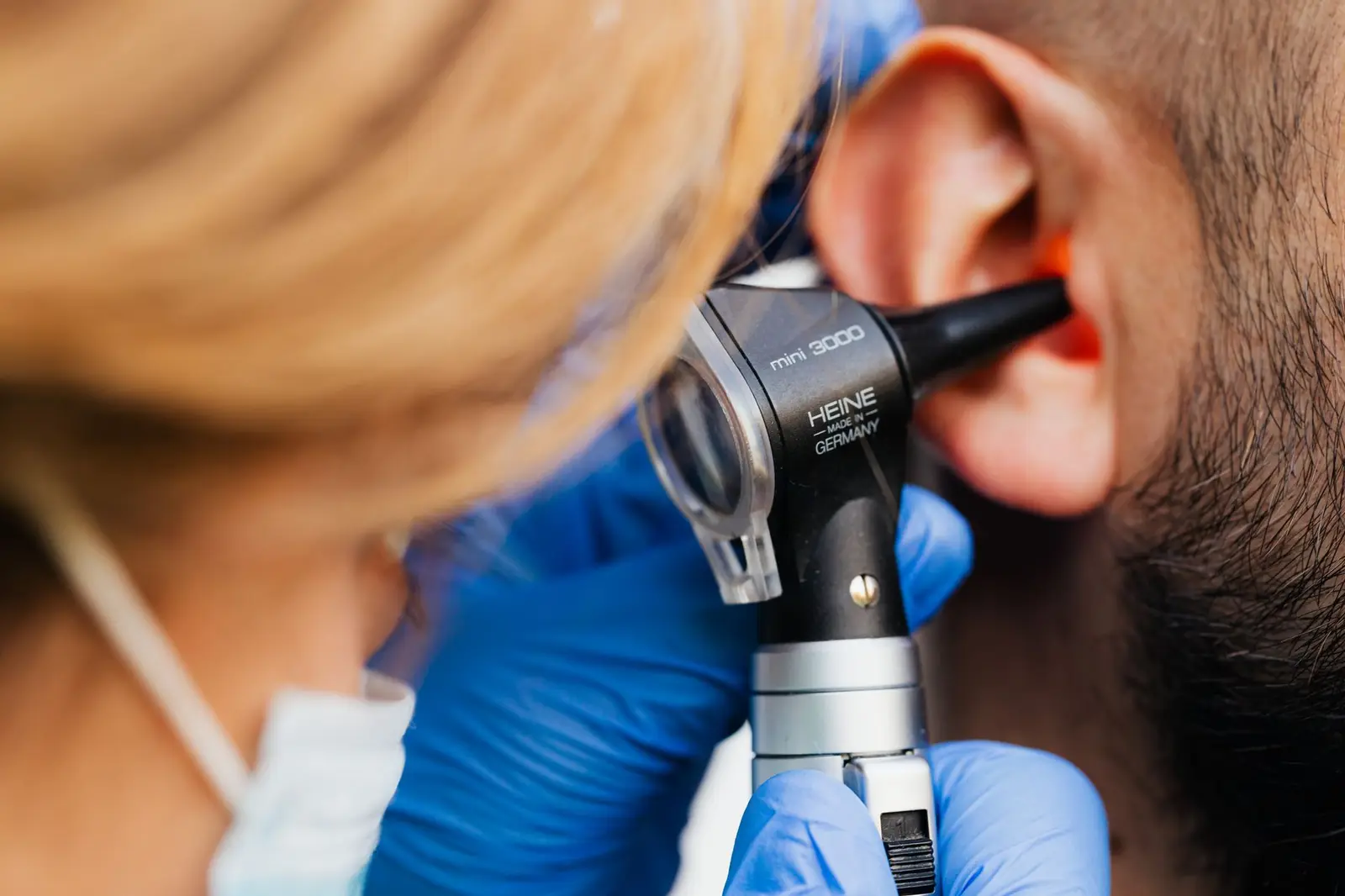 Earwax and ear care
What earwax actually does, and when it genuinely needs removing
Earwax is not dirt. It protects the ear canal, and most of it leaves on its own. Here is how to tell the difference between wax doing its job and wax causing a problem.
Read more6 min read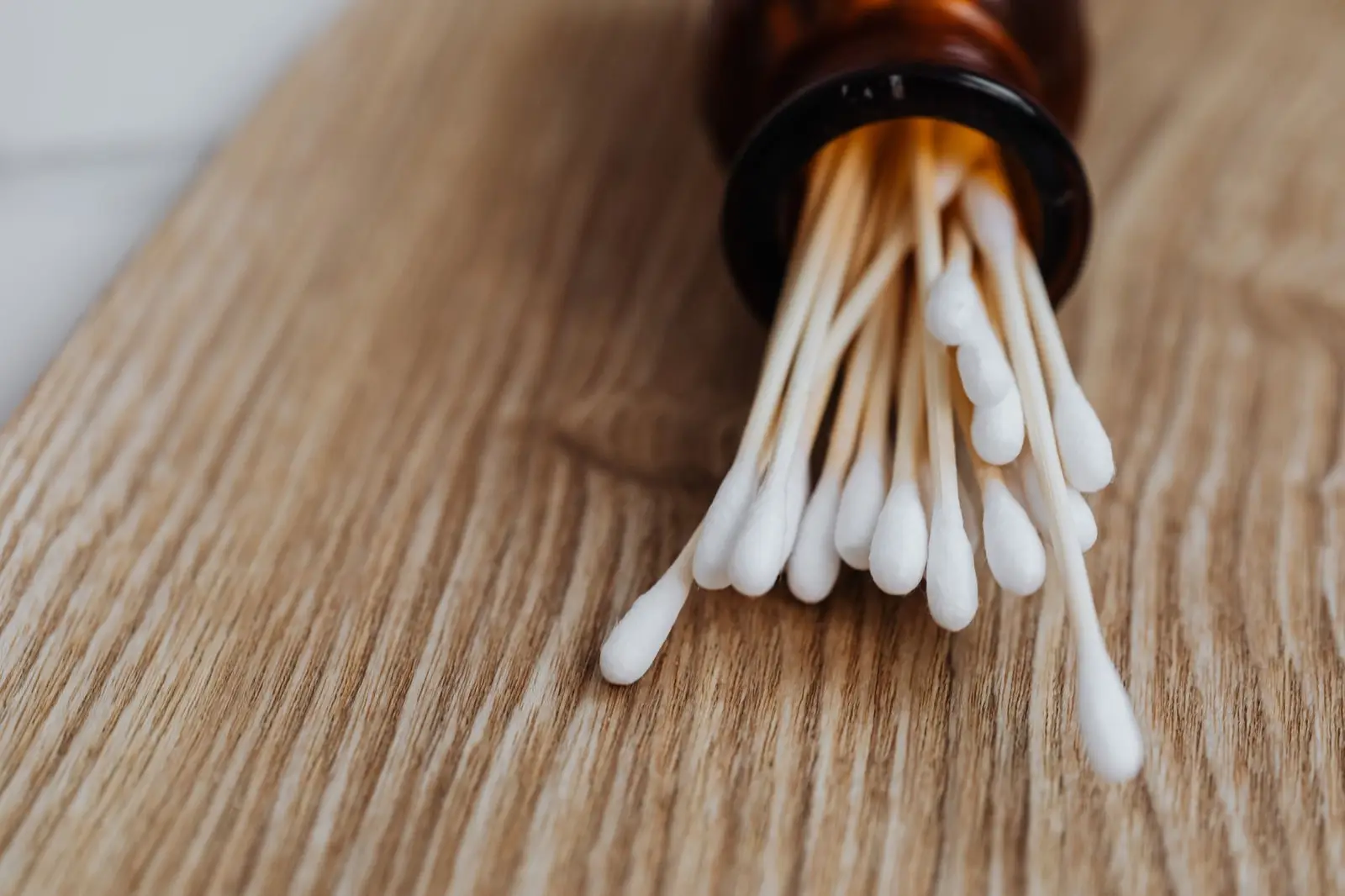 Earwax and ear care
Cotton swabs, ear candles, and the wax advice that keeps backfiring
The two most popular earwax remedies are the two that most reliably make things worse. Here is what each one actually does inside the canal, and what to do instead.
Read more6 min read Earwax and ear care
Warm water and gentle pressure: why the method of earwax removal matters
Irrigation, suction and manual removal each have a place. What separates a comfortable appointment from a memorably unpleasant one is usually temperature and control.
Read more7 min read
What wax is for, when it needs removing, and why the method matters.
What earwax actually does, and when it genuinely needs removing
Earwax is not dirt. It protects the ear canal, and most of it leaves on its own. Here is how to tell the difference between wax doing its job and wax causing a problem.
Read more6 min readCotton swabs, ear candles, and the wax advice that keeps backfiring
The two most popular earwax remedies are the two that most reliably make things worse. Here is what each one actually does inside the canal, and what to do instead.
Read more6 min readWarm water and gentle pressure: why the method of earwax removal matters
Irrigation, suction and manual removal each have a place. What separates a comfortable appointment from a memorably unpleasant one is usually temperature and control.
Read more7 min read
A blocked ear that is not wax: what else it can be
Fullness and muffled hearing have several causes that feel identical from the inside. Some resolve on their own. One of them is a medical emergency.
Read more6 min read
Choosing, comparing and living with hearing aids — including the over-the-counter question.

Over-the-counter hearing aids: who they suit, and who they do not
OTC hearing aids are a real category with a real role. An honest account of where they work well, where they do not, and how to tell which side of the line you are on.
Read more8 min read
Why two people with the same audiogram need different hearing aids
The audiogram is the starting point, not the prescription. Ear canal acoustics, speech understanding and the life you actually live all change what the right device is.
Read more7 min read
How to compare hearing aid brands without getting lost
Phonak, Oticon, ReSound, Signia, Starkey, Unitron, Rexton — the feature lists are exhausting and largely beside the point. What actually separates them, and what does not.
Read more7 min read
Protecting the hearing you have, at work, at concerts and on the range.

Filtered earplugs: what Loop and the rest actually do
Filtered earplugs have gone from a musician’s tool to something people wear to restaurants. Here is what the filter does, where the cheap ones fall short, and when a custom pair is worth it.
Read more7 min read
Custom hearing protection for work, music and shooting
Industrial noise, live music and gunfire damage hearing in different ways, and the protection that suits one is often wrong for another.
Read more7 min read
What an evaluation involves, what the results mean, and who does what.
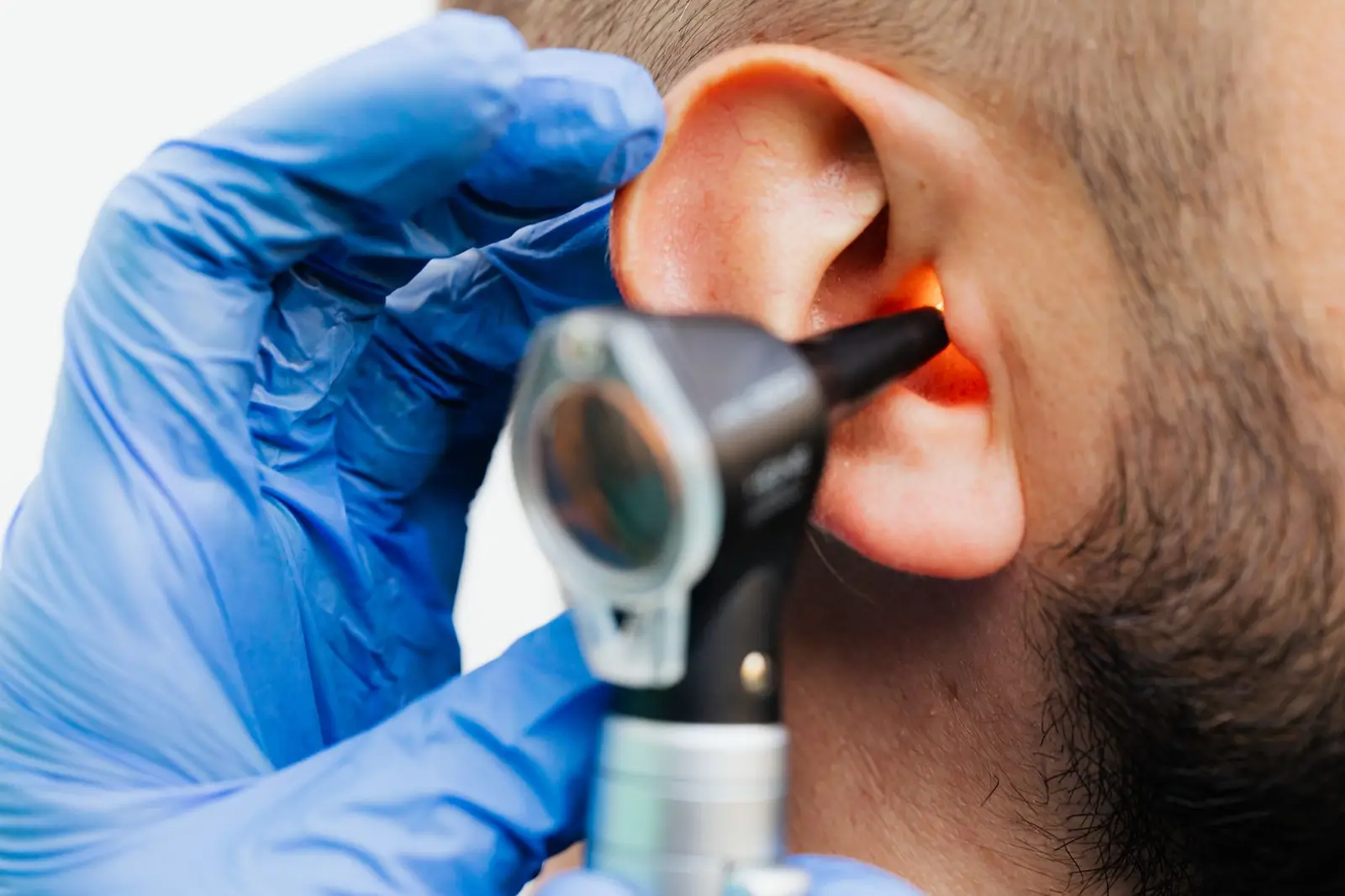
What happens at a hearing test, start to finish
A full hearing evaluation is more than a beep test. Here is each part of the appointment, what it measures, and what your audiogram is telling you.
Read more7 min read
Audiologist, hearing instrument specialist, ENT: who does what
Three different professions, three different scopes of practice, and three different kinds of appointment. Which one you need depends on what you are trying to find out.
Read more6 min read
Ringing and buzzing — what helps, and what the evidence does not support.

Reading about it is a reasonable place to start. Talking about it is usually faster.
Tell us what has changed and we can help you decide whether an appointment is the right next step.