
Nautilus Hearing — audiology clinic
Audiology service

Earwax Removal at the Ear Spa

Earwax is normal and healthy, and most ears clear themselves without help. It becomes a problem when it builds up enough to block the canal — muffled hearing, a blocked or full feeling, or a hearing aid that keeps clogging. Our Ear Spa room is set up specifically for removing it comfortably.

How this care works

Clear answers before any decision.

01

What makes it an Ear Spa

The Ear Spa uses the Earigator, an earwax irrigation system designed by an otologist, an ENT physician who specializes in the ear. It provides temperature and pressure controls for earwax removal.

The water is warmed to body temperature and delivered at a controlled pressure. We examine your ears and review your ear history first to determine whether irrigation is appropriate for you.

Tell us if you feel discomfort or dizziness during removal so we can stop and reassess. How long removal takes and how your hearing feels afterward depend on the blockage and any other ear conditions.

02

Why it is worth having done properly

Cotton swabs push more wax inward than they remove and can damage the canal or eardrum. Ear candling has no evidence behind it and carries a burn risk. Over-the-counter drops sometimes help soften wax but will not clear a firm blockage.

Removal in an office setting means the canal is being looked at while the wax is removed, so an eardrum problem or an infection is not missed.

03

Tell us first if any of these apply

A perforated eardrum or a history of ear surgery, ear drainage, active pain or infection, or a single hearing ear. These change how, and whether, removal should be done.

04

Before your appointment

For anything more than mild build-up, a few days of softening drops beforehand makes the appointment quicker, more comfortable, and much more likely to finish in one visit. Olive oil or a pharmacy softener used for three to five nights is usually enough.

There are ears where drops are not safe, and they are the same ears where irrigation is not safe: a perforated eardrum, ear tubes, previous ear surgery, or an active infection. If any of those apply, or you are not sure, say so when you book rather than starting drops on your own.

Otherwise, come as you are. There is nothing to avoid beforehand, and you can drive afterwards.

05

What gets checked besides the wax

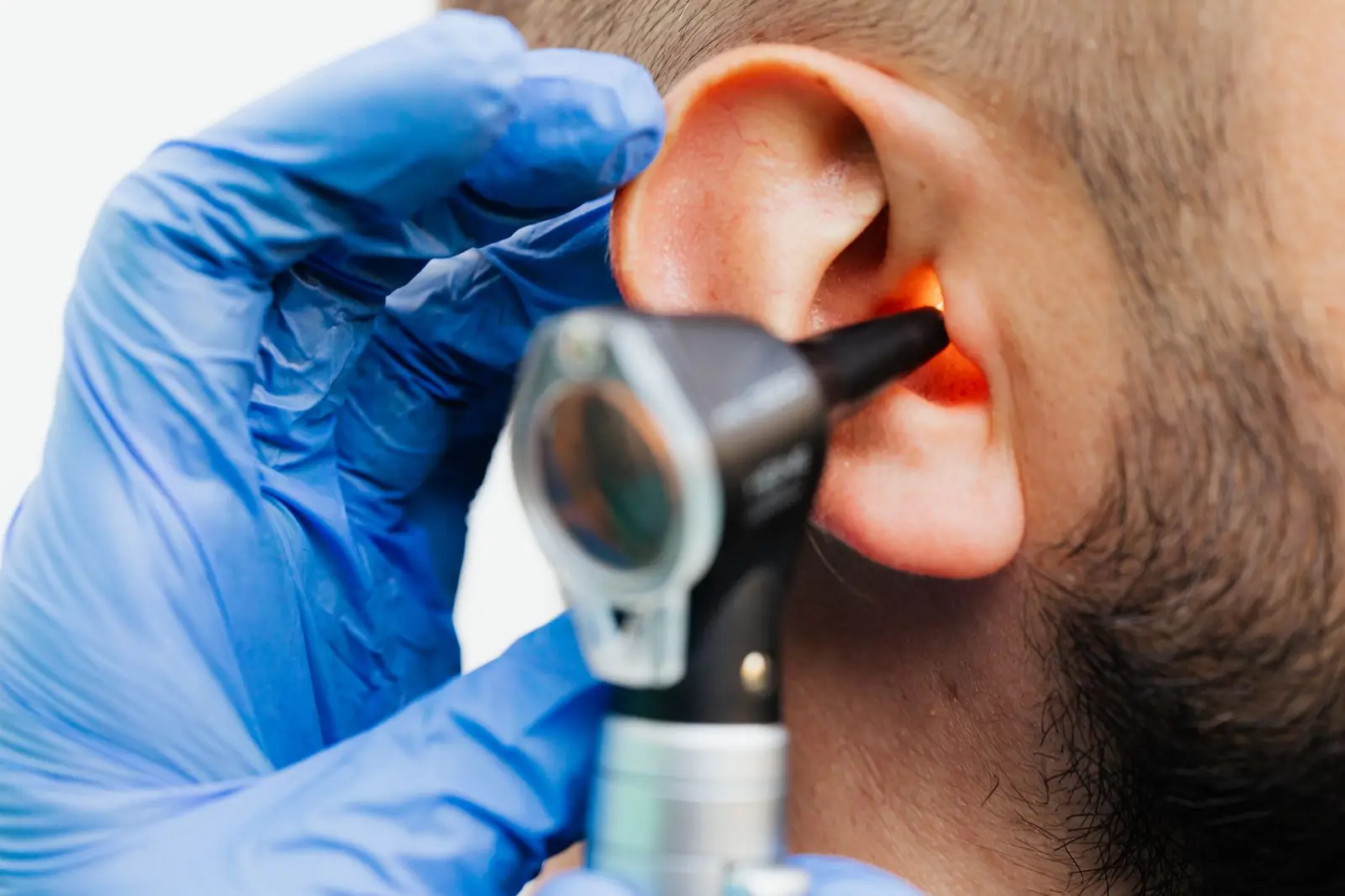
The appointment starts with a look, and the look answers more than whether there is wax. It shows the condition of the canal skin, whether the eardrum is intact and moving, whether there is fluid behind it, and whether anything else is going on that wax was being blamed for.

That matters because a blocked feeling has several causes and they do not all clear with removal. If the canal is clear and the symptom remains, the cause is somewhere else and the next step is a hearing test rather than more cleaning.

A perforation, active infection, or previous ear surgery can affect whether irrigation is appropriate. Reviewing your history and examining the ear help us choose a suitable approach; they do not make the procedure risk-free.

06

How often this needs doing

For most people, never. Ears that clear themselves do not need help, and removing wax that is causing no symptoms is not a routine worth adopting.

A minority do need it regularly, and that group is fairly predictable: narrow or bendy canals, drier wax that does not migrate, a lot of hair in the canal, and anyone who wears something in the ear for hours a day. Hearing aid wearers sit squarely in that last category, because the device occupies the exit route the wax was using.

If you are in that group, a scheduled visit every six to twelve months usually keeps it from ever becoming a blockage, which is easier and more comfortable than dealing with one. One look tells us which group you are in, and we would rather tell you that you do not need to come back than sell you a schedule.

This is usually the right appointment if

  • Your ear feels blocked or full
  • Hearing has become muffled, often after a shower or swimming
  • Your hearing aids keep clogging with wax
  • A previous provider mentioned you produce a lot of wax

Common questions

Does it hurt?

It should not. Tell us immediately if anything is uncomfortable and we will stop.

Should I use drops before my appointment?

Ask when you book. It sometimes helps and is sometimes the wrong thing to do, depending on your ear history.

Book ear spa near you

The Ear Spa room is here in Spanish Fort, on Spanish Fort Blvd, and sees patients from Daphne, Malbis and the wider Eastern Shore. Appointments are short, so it is an easy trip to fit in.

251-250-7343Appointment